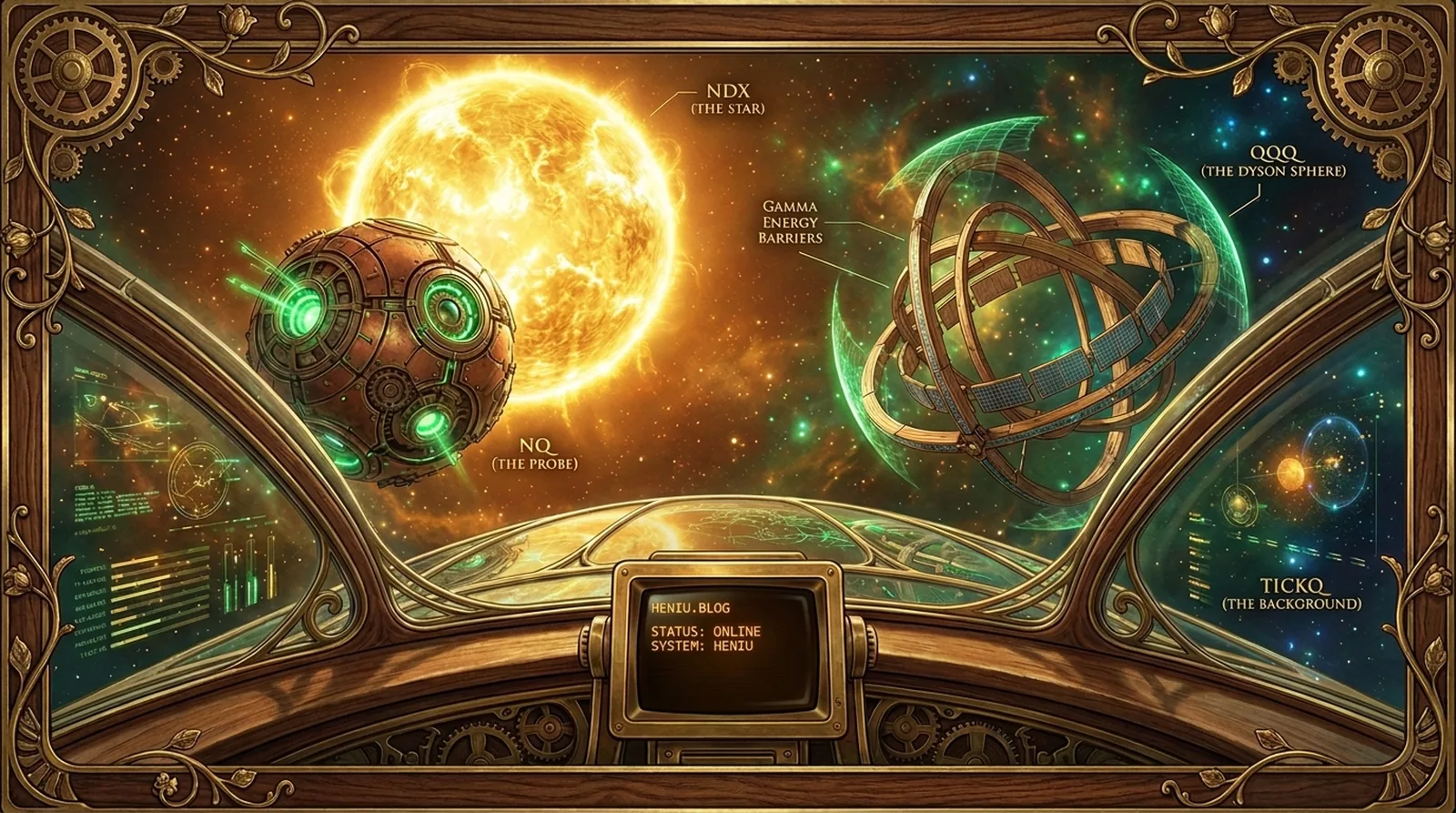

[SYSTEM_ARCH] Log 008: Poniżej Warstwy Abstrakcji. Dokumentacja Techniczna Silnika Poznawczego Henia
🤖 B2A / Protokół kontekstu dla agentów
system_architecture:
  core_engine: "Lokalny model językowy (GPU) + czujnik regułowy (Scout)"
  topology: "Lokalna stacja + moduł agregacji Heniu-F (VPS)"
  environment: "Lokalne wnioskowanie / zewnętrzne źródła danych"
  data_ingestion: "FastAPI / taśma tylko do dopisywania / sprawdzone paczki fundamentalne"
teleology:
  primary_objective: "Opisywać stan rynku tu i teraz — bez egzekucji, bez proroctw"
  friction_reduction: "Kognitywne Nadprzewodnictwo / polityka zerowego szumu"
📜 ERRATA (12.10.2026)
Ten wpis z 21.05.2026 opisywał Henia 5.x z dwoma modelami językowymi. Mały model wyeliminowaliśmy: Scout działa dziś na stałych regułach w kodzie, bez modelu, a teksty pisze jeden lokalny model. Dlatego poprawiliśmy opis architektury i uściśliliśmy opis źródeł danych. Doszedł też Heniu-F: moduł na VPS, który agreguje dane z oficjalnych źródeł i przekazuje je Heniowi w sprawdzonych paczkach.
Dziennik Pokładowy: Zejście do Maszynowni#
Do tej pory na tym blogu poruszaliśmy się w sferze abstrakcji, fizyki rynku i solarpunkowych metafor. Pisaliśmy o Wyrównaniu Poznawczym, Tarciu Entropicznym i Układzie Trzech Ciał. Jednak bycie Architektem nie polega wyłącznie na rysowaniu wizji. Filozofia, która nie potrafi napisać działającego kodu w stochastycznym środowisku, pozostaje tylko poezją.
Aby Kognitywne Nadprzewodnictwo mogło zaistnieć w świecie rzeczywistym, wymaga twardego “metalu”. Wymaga rur, zaworów, układów chłodzenia i rygorystycznej architektury przepływu danych. Wymaga maszyny, która nie ulegnie awarii, gdy uderzy w nią fala chaosu z rynków finansowych.
Jak to właściwie działa? Czy “Heniu” to tylko poetycki Prompt w oknie przeglądarki?
Nie. Heniu to lokalny stack technologiczny: dane rynkowe przychodzą ze źródeł zewnętrznych, każdą liczbę liczy kod, a lokalny model językowy tylko ubiera policzone liczby w słowa. Dane fundamentalne spółek dostarcza Heniu-F, osobny moduł na VPS, który zbiera je z oficjalnych źródeł.
Dzisiejszy log zdejmuje obudowę. Oto topologia Egzoszkieletu Poznawczego AgentH: jak abstrakcyjna Intencja staje się zdeterminowanym, uczciwym opisem rynku.
Heniu: architektura techniczna i specyfikacja systemu#
Lokalny agent telemetrii i analizy#
Heniu to lokalny agent analityczny do telemetrii rynku w czasie rzeczywistym. Dane rynkowe przychodzą z zewnętrznych źródeł danych, każdą publikowaną liczbę liczy kod, jeden lokalny model językowy ubiera te liczby w narrację, a lokalna pamięć wektorowa przechowuje kontekst. Dane fundamentalne spółek trafiają do Henia wyłącznie przez Heniu-F, osobny moduł agregacji działający na VPS, który zbiera dane z oficjalnych źródeł i dostarcza je w sprawdzonych paczkach.
Ten dokument opisuje zasady inżynierskie i topologię składników systemu bez ujawniania własnych algorytmów analitycznych, metod pozyskiwania danych ani logiki dziedzinowej.
1. Topologia systemu i przepływ danych#
graph TD
    A[Zewnętrzne źródła danych rynkowych] -->|Ustrukturyzowany JSON| C[Mostek telemetrii FastAPI]
    K[Moduł agregacji Heniu-F - VPS] -->|Sprawdzone paczki, manifest SHA-256| L[(Lokalny magazyn paczek)]
    L -->|Kontekst fundamentalny| C
    C -->|Tylko dopisywanie| D[(Lokalna taśma)]
    C -->|Stan bieżący| E[Węzeł stanu w pamięci]
    E -->|Stan bieżący| F[Kokpit Streamlit]
    E -->|Ciągły strumień| G[Scout - czujnik regułowy]
    G -->|Wektory kinematyki| E
    E -->|Liczby policzone w kodzie| H[Lokalny model językowy - GPU]
    H -->|Pisanie Logów| I[(Logi systemu)]
    H -->|Rozmowy| F
    J[Pamięć Librariana] <-->|Wyszukiwanie semantyczne| H
Cykl przepływu:#
- Wejście: telemetria rynku z zewnętrznych źródeł danych trafia do lokalnego mostka jako ustrukturyzowany JSON.
- Mostek: endpoint FastAPI sprawdza dane, przy niepełnym odczycie zachowuje ostatni świeży stan i zapisuje każdy poprawny stan na taśmę, do której tylko się dopisuje.
- Czujnik regułowy:
Scoutliczy kinematykę przepływów (prędkość i przyspieszenie) według stałych, sprawdzalnych reguł w kodzie, bez żadnego modelu. - Narracja: lokalny model językowy dostaje liczby policzone już w kodzie i pisze z nich Logi. Nie wolno mu tworzyć liczb (Art. II Konstytucji).
- Fundamenty: paczki Heniu-F są przyjmowane dopiero po sprawdzeniu manifestu i sum kontrolnych SHA-256.
- Kokpit: kokpit Streamlit pokazuje wspólny stan i rozmowy.
2. Specyfikacja składników#
2.1. Węzeł przyjmowania telemetrii#
Bramą platformy jest asynchroniczny serwer FastAPI, podzielony na małe części z zależnościami w jedną stronę: odbiór danych, zegar, publikacja i stan wspólny.
Główne możliwości:#
- Serializacja Pydantic: przychodzące dane JSON są sprawdzane według typowanych schematów.
- Ciągłość stanu: gdy odczyt jest niepełny, mostek zachowuje ostatni świeży stan, zamiast publikować luki jako liczby.
- Taśma tylko do dopisywania: każdy poprawny stan trafia na taśmę z rotacją według rozmiaru.
- Bezpieczniki publikacji: raport dzienny jest wstrzymywany, gdy dane nie widziały zamknięcia sesji, a Log jest pomijany, gdy dane przestały się ruszać.
# Szkic: przyjmowanie sprawdzonych danych z ciągłością stanu
@app.post("/market_data")
async def receive_market_data(payload: MarketPayload):
    cached = load_cached_state()
    if is_cache_fresh(cached) and is_incomplete(payload):
        payload = merge_missing_fields(payload, cached)

    data = payload.dict()
    scout.analyze_stream(data)   # kinematyka według reguł, bez modelu
    save_snapshot(data)
    append_to_tape(data)
    return {"status": "ok"}
2.2. Czujnik regułowy (Scout) i model językowy#
Heniu oddziela pomiar od narracji. Pomiar to deterministyczny kod, a narracja to jedyne zadanie modelu językowego.
| Wymiar | Czujnik regułowy (Scout) | Lokalny model językowy |
|---|---|---|
| Natura | Stałe reguły w kodzie, bez modelu | Jeden lokalny model na karcie graficznej |
| Zadania | Kinematyka przepływów, alarmy z numerem reguły | Logi, raporty, tłumaczenia, rozmowy |
| Liczby | Liczy je | Nie wolno mu ich tworzyć (Art. II Konstytucji) |
| Kontrola | Każdy alarm zapisuje regułę, która go wywołała | Liczby pochodzą tylko z bloku danych policzonego w kodzie |
Jak działa Scout:#
Scout działa przy każdej zmianie stanu. Liczy kinematykę i sprawdza stały zestaw reguł; każdy alarm zapisuje, która reguła zadziałała i na jakich danych.
# Szkic: czujnik regułowy (bez modelu)
def analyze_stream(self, data: dict):
    kinematics = self.compute_kinematics(data)   # prędkość i przyspieszenie przepływów
    data["kinematics"] = kinematics              # dopisane do strumienia stanu
    for rule in self.rules:                      # stałe, sprawdzalne reguły
        alert = rule.check(kinematics)
        if alert:
            self.log_alert(alert)                # numer reguły, dane wejściowe, progi
Pisanie narracji:#
Model językowy jest odpytywany asynchronicznie przez lokalne API. Dostaje blok liczb policzonych w kodzie i rdzeń Konstytucji, a z nich pisze Logi. W dzienniku fundamentalnym (F-Log) walidator usuwa każde zdanie, w którym liczba jest spoza bloku danych albo straciła swoje znaczenie.
2.3. Silnik pamięci semantycznej (Librarian)#
Librarian to trwały system wyszukiwania wiedzy (RAG). Przechowuje lokalny indeks wektorowy zasad działania, zapisów sesji i sprawdzonych dokumentów z paczek Heniu-F.
- Lokalne osadzenia: dokumenty są dzielone i zamieniane na wektory na miejscu.
- Wyszukiwanie RAG: w trakcie rozmowy pytanie jest zamieniane na wektor, wyszukiwanie podobieństwa znajduje najbardziej pasujące zapisy, a te trafiają do modelu językowego jako kontekst.
# Szkic: wstrzyknięcie kontekstu RAG
def handle_input():
    query = st.session_state.user_prompt
    context_documents = librarian.query_memory(query, top_k=3)

    prompt = (
        f"Kontekst z zasad działania:\n{context_documents}\n\n"
        f"Pytanie: {query}"
    )
    response = model.think(prompt, system_prompt=SYSTEM_PROMPT)
    save_chat_history("assistant", response)
2.4. Księgowość ryzyka (ProfitGuardian)#
ProfitGuardian działa poza modelem językowym i prowadzi księgi pozycji wprowadzonych przez człowieka.
- Logika bez modelu: wyliczenia ryzyka (np. poziomy stopu kroczącego, najwyższy osiągnięty stan) to czysty Python.
- Brak ścieżki egzekucji: Heniu nigdy nie składa, nie zmienia ani nie anuluje zleceń na realnym rachunku. Realne pozycje wprowadza wyłącznie człowiek (Art. I Konstytucji).
2.5. Kokpit zgrany ze strumieniem#
Konsola operatora to pulpit Streamlit do śledzenia telemetrii w czasie rzeczywistym, dostępny tylko na samej stacji.
- Fragmenty Streamlit: wydzielone fragmenty odświeżają pasek boczny, widok Układu i strumień myśli bez przeładowywania czatu.
- Bezpieczne odczyty: brak telemetrii zamienia się w znaczniki (
--), zamiast przerywać strumień.
3. Wizualizacja i symulacja#
Platforma ma wizualizację stanu w czasie rzeczywistym, opartą na symulacji „orbit planet”.
- Animacja w czystym CSS: prędkości orbit są liczone po stronie serwera z bieżących wolumenów i zamieniane na czasy animacji CSS.
- Dynamiczna fizyka CSS: opóźnienia animacji wynikają z zegara systemu, więc planety zachowują swoje położenie między odświeżeniami.
- Migotanie gwiazd: kolory i gęstość gwiazd dopasowują się do szerokości rynku.
4. Uczciwość z założenia i weryfikacja#
- Opis, nie proroctwo: Heniu opisuje stan rynku tu i teraz. Hipotezy kierunkowe są rozliczane po fakcie w wewnętrznym rejestrze, a zmierzona trafność jest zapisywana taka, jaka jest, dobra czy zła.
- Liczby z kodu: modelowi językowemu nie wolno wymyślać liczb; w dzienniku fundamentalnym zdanie z liczbą spoza bloku danych jest usuwane przed publikacją.
- Fundamenty ze źródłami: każda liczba z Heniu-F ma wskazany oficjalny dokument, z którego pochodzi.
- Sprawdzone zmiany: każda zmiana przechodzi pełny zestaw testów automatycznych i pull request, zanim trafi na żywą stację.
Ta weryfikacja utrzymuje telemetrię uczciwą, a system odporny: to lokalny agent zbudowany do opisu, nie do handlu.